


What to Expect After Knee Replacement Surgery
- Feb 24
- 3 min read
Knee replacement surgery is a highly effective procedure used to relieve pain, restore mobility, and improve quality of life in individuals with severe knee damage or arthritis. While the surgery itself is important, the recovery period plays an equally critical role in determining long-term success. Understanding what to expect after knee replacement surgery can help patients prepare physically, emotionally, and functionally for the journey ahead.
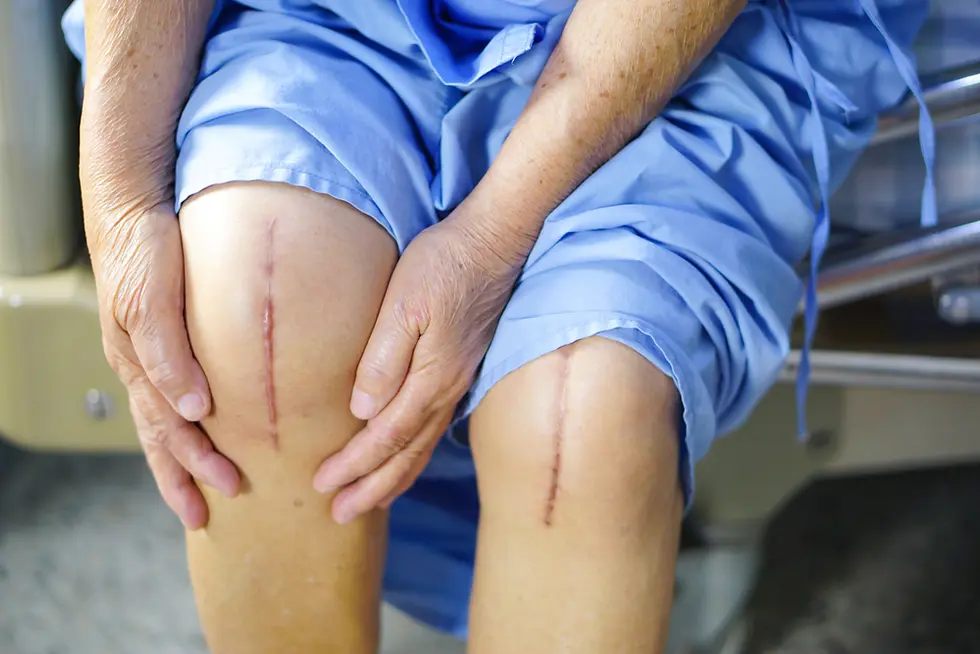
Immediate Post-Surgery Phase (First 24–72 Hours)
Following knee replacement surgery, patients are typically monitored in a recovery area where healthcare professionals manage pain and assess vital signs. Early mobilization is encouraged, and many patients begin moving the leg and walking with assistive devices within hours or the next day to reduce complications such as blood clots.
Hospital stays generally range from 1 to 5 days, depending on individual progress and overall health. During this period, patients start physiotherapy, receive wound care instructions, and learn how to safely move, stand, and walk.
Common experiences during this stage include:
Pain and swelling around the knee
Use of walkers or crutches
Initial physiotherapy exercises
Fatigue due to surgery and medications
Early Recovery Phase (Weeks 1–6)
The first six weeks focus on healing, mobility, and regaining independence. Swelling, bruising, and stiffness are expected but gradually improve. Gentle exercises begin immediately and continue under physiotherapy guidance.
Typical milestones
Walking with support within 1–2 days after surgery
Transition from walker to cane over 2–8 weeks
Ability to perform basic daily activities by about 6 weeks
Return to desk work and driving around 4–6 weeks (with medical clearance)
Physiotherapy remains the cornerstone of recovery, helping improve range of motion, strength, and gait mechanics.
Intermediate Recovery Phase (Weeks 7–12)
By this stage, many patients experience significant improvement in pain and mobility. Rehabilitation exercises become more progressive and may include stationary cycling, balance training, step exercises, and mini squats to strengthen surrounding muscles.
Most individuals can resume low-impact activities such as:
Walking
Swimming
Cycling
Light household tasks
Approximately 90% recovery is often achieved by three months, although outcomes vary among individuals.
Long-Term Recovery (3–12 Months)
Full recovery after knee replacement surgery can take 6–12 months as strength, endurance, and joint adaptation continue to improve. Patients commonly report that the artificial joint feels more natural over time, and most return to an active lifestyle involving low-impact exercise. However, high-impact activities such as running and jumping are generally discouraged to protect the implant. Modern knee replacements are durable, with many lasting 15–20 years or longer, depending on activity level and overall health.
Common Challenges During Recovery
While recovery is typically successful, patients may encounter temporary challenges, including:
Persistent swelling
Muscle weakness
Sleep disturbances
Emotional adjustments
Difficulty with stairs or kneeling
Commitment to rehabilitation and adherence to professional guidance significantly influence recovery speed and outcomes.
Potential Complications to Watch For
Although knee replacement surgery is generally safe, patients should be aware of possible complications such as:
Infection
Blood clots
Joint stiffness
Implant loosening or wear
Nerve injury
Symptoms like fever, excessive redness, worsening pain, or prolonged swelling should prompt immediate medical review.
Factors Influencing Recovery
Recovery timelines differ among individuals and may be affected by:
Age and general health
Pre-surgical strength and conditioning
Smoking status
Chronic medical conditions
Commitment to physiotherapy
Patients who engage in strengthening exercises before surgery often recover faster.
Tips for a Successful Recovery
Attend all physiotherapy sessions
Perform prescribed home exercises consistently
Use assistive devices safely
Manage swelling with elevation and ice (as advised)
Maintain a healthy weight and balanced diet
Keep follow-up appointments
Conclusion
Knee replacement surgery offers significant relief from chronic knee pain and functional limitations, but recovery is a gradual process requiring patience and active participation. Most patients regain independence within weeks, return to routine activities within months, and achieve full recovery within a year. With structured rehabilitation, proper self-care, and medical follow-up, patients can expect long-lasting improvements in mobility, comfort, and overall quality of life.


Comments